



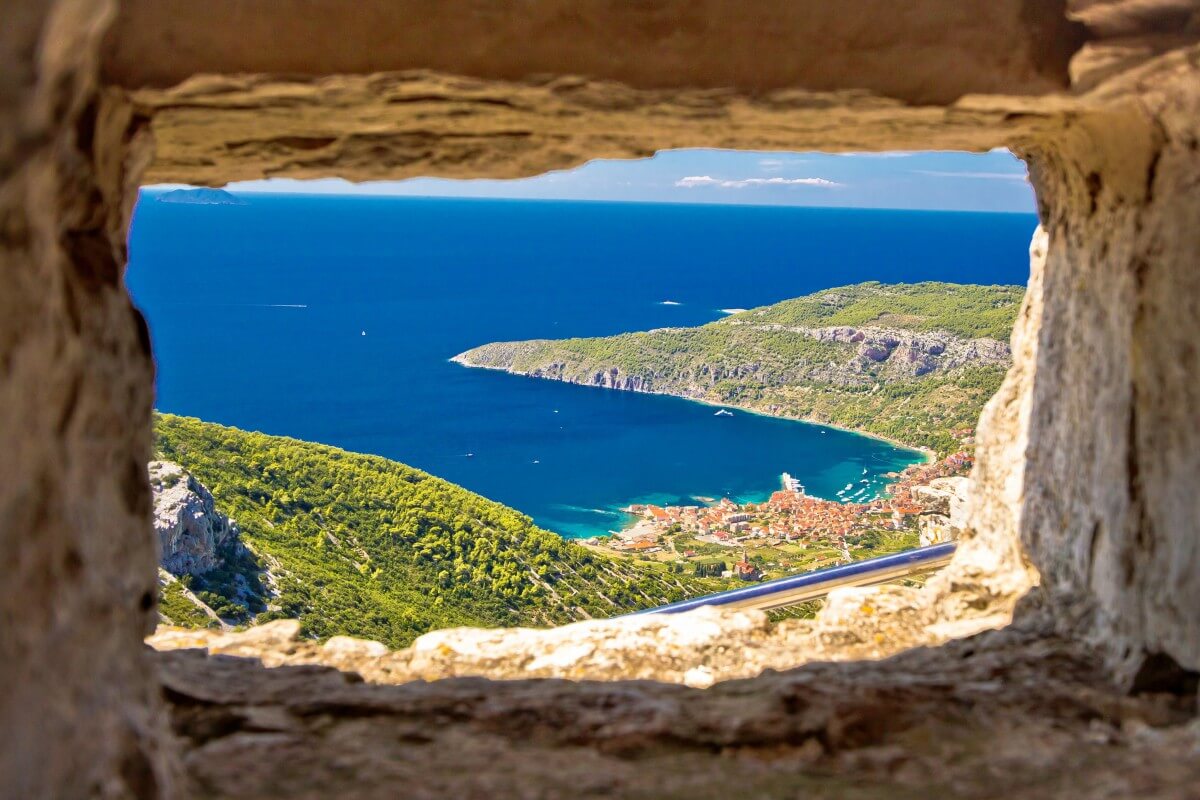
Discover Croatia – UNESCO
Description
Day 1
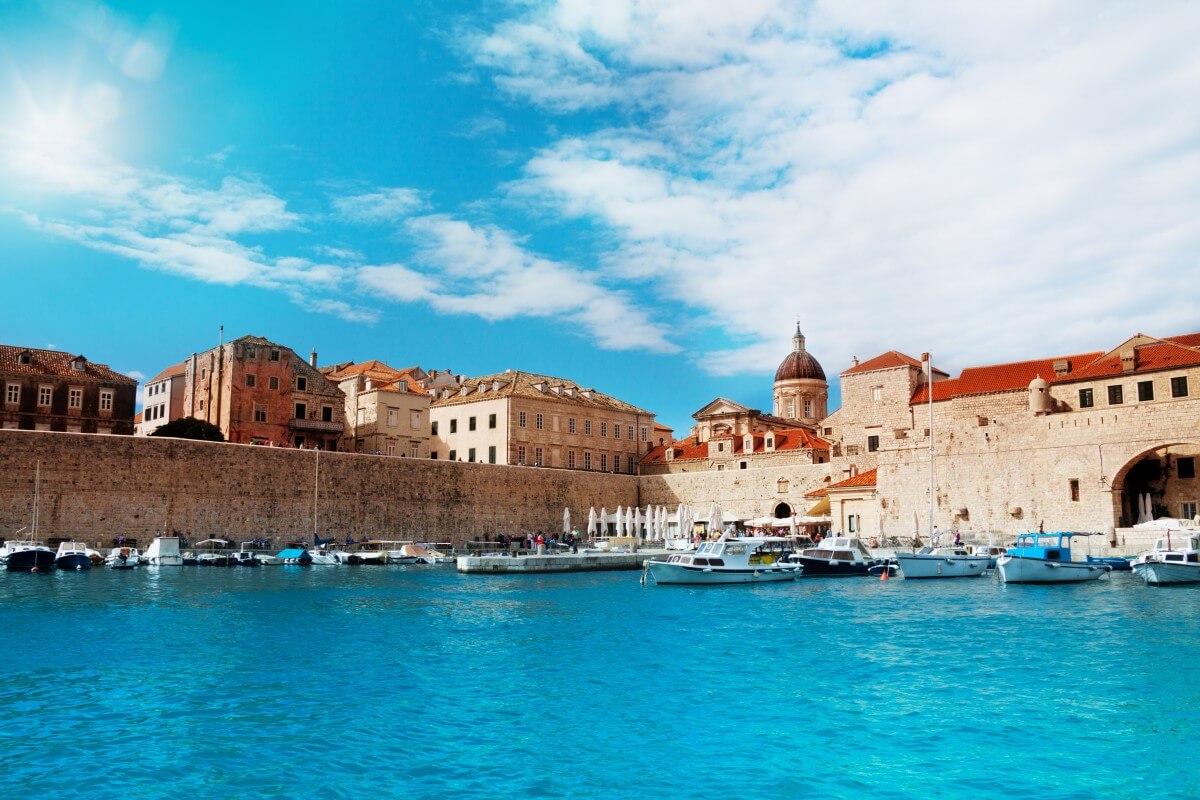
Arrival to Dubrovnik airport, meeting with guide. Transfer to the hotel in Dubrovnik. Check in, free time for rest. Meeting with guide, walk through the city center, free time.
Day 2
Breakfast. Day trip to beautiful island of Korčula, acclaimed birthplace of the famous explorer Marco Polo, island with beautiful landscape, unspoiled beauty, olive trees and vineyards. According to legend, the island was settled by the Trojan hero Antenor in the 12th century BC, who is also known as the founder of the city of Padua. After short ride with ferry, we’ll come to Korčula, the most preserved medieval town whose street design is based on a fish bone pattern, and walking tour will take you through its narrow, cobbled streets full of history. With your guide, you’ll be driving around island. On a way back to Dubrovnik, short visit to small town called Ston, known by 5,5 km long wall, salt fields and oysters.
Day 3
After breakfast visit to Dubrovnik, the Pearl of Adriatic. City tour with local guide. The walls of Dubrovnik girdle a perfectly preserved complex of public and private, sacral and secular buildings representing all periods of the city’s history, beginning with its founding in the 7th century. Walking tour: City walls – main street Stradun – the Rector’s palace – the Church of st. Vlaho – the Cathedral – three large monasteries and the City hall. The Republic of Dubrovnik was the center of a separate political and territorial entity, and was proud of its culture, its achievements in commerce and especially of its freedom, preserved down so many tempestuous centuries. We recommend boat trip to island Lokrum, green oasis just opposite the city walls. Walk around the island, which is associated with many interesting legends. In the early evening, going on a hill SRĐ by cable car, greatest view point possible on the old town and surrounding islands. Driving in direction of Trogir, check in, free time.
Day 4
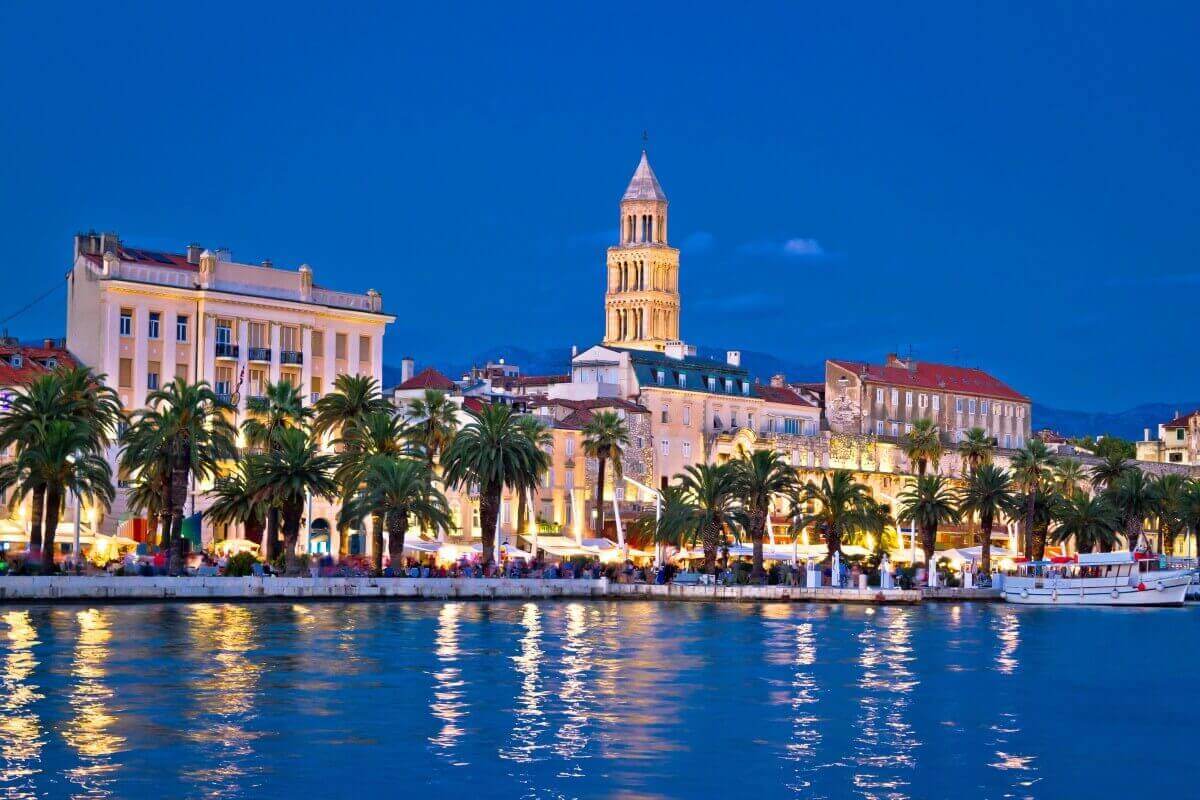
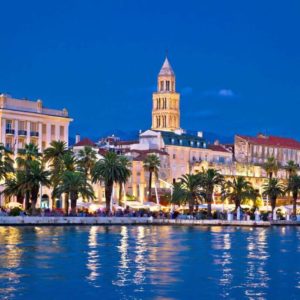
After breakfast, drive by the sea to the ancient town Split. Walking tour with local guide through historical center and remains of Diocletian’s Palace (UNESCO World Heritage List since 1979.), built between the late 3rd and the early 4th centuries A.D. The cathedral was built in the Middle Ages, reusing materials from the ancient mausoleum. 12th and 13th century Romanesque churches, medieval fortifications, 15th century Gothic palaces and other palaces in Renaissance and Baroque style make up the rest of the protected area. At the northern exit of the palace we will see a large monument of Gregory of Nin, do not forget to catch the big toe and make a wish! Free time. Drive back to the center of Trogir, called museum island. Tour through city center, visit the Cathedral of St. Lawrence, which is known for its beautiful portal, located at the main entrance, made by the famous Master Radovan. During the tour, we hope you’ll be lucky and in the City Lodge hear the famous Dalmatian folk songs. Since 1997., the historic centre of Trogir has been included in the UNESCO list of World Heritage Sites. After sightseeing, free time for souvenirs.
Day 5
After breakfast, drive to Šibenik, the oldest Croatian native town, passing through the old city entrance to the Old town, walk through streets and stairs that tell stories about the city and its inhabitants. Coming to the Cathedral of St. James, another attraction of the UNESCO World Heritage List since 2000., you’ll hear amazing story of how it’s built, and you’ll visit the cathedral and the baptistry. Šibenik is only Croatian City with two UNESCO sites, since this summer, St. Nicholas fortress was included in UNESCO’s World Heritage Site list as part of “Venetian Works of Defence between 15th and 17th centuries“. Continue your journey to Krka National Park, that lies about 10 km inland from Šibenik in this part of Dalmatia. Named after the Krka River, the Park covers the area of just over 142 km2 and includes two thirds of the river itself. The top attractions of the Park are its magnificent waterfalls, including the famous waterfall Skradinski Buk, which is one of Croatia’s most famous sights. This is the place where the beauty of the National Park stands out the most, through the eternal interaction of sun and water. After the sightseeing tour, there will be enough free time for lunch, strolling around the ethno village, walking, or taking photos of the picturesque landscape. Continue toward inner Croatia, to Plitvice lakes National Park, check in a hotel located in heart of the Plitvice national Park.
Day 6
After breakfast, visit of Plitvice Lakes National Park – one of the greatest natural wonders and phenomenon in the world. Embraced by high wooded mountains, one beneath another lie sixteen beautiful lakes of crystal blue-green water. Connected to each other by a series of foaming cascades and thundering waterfalls, the lakes are fed by many rivers and streams. Over the millennium, waters of these lakes have dissolved the limestone rock and carved out the valley in which they now lie. Plitvice Lakes were declared a National Park in 1949., and since 1979. they have been on UNESCO’s list of World Natural Heritage. Free time. Continue your journey to Zagreb, capital of Croatia. Upon arrival, check in the hotel, free time for rest.
Day 7
After breakfast, local guide will show you the most important things to see in Zagreb, and you’ll hear many interesting stories and legends from Zagreb history. Start at the Main Square – Banus Jelačić Square, with Manduševac fountain, where you’ll hear one of many Zagrebs legends. After you make a wish, visit to the Cathedral, situated on top of the little hill above Main square, called Kaptol. After visiting the Cathedral, walk across the famous Dolac market to Tkalčićeva Street, now known for its numerous cafes and bistros that attract tourists and citizens of Zagreb, next to Marija Jurić Zagorka, the first Croatian female journalist, through the small street named Bloody bridge, where you’ll hear interesting story of how the street got its name. Continue via Radić Street to the Stone gate, the only preserved entrance of Zagreb’s Upper town, which is located on the hill called Gradec. The Upper town is full of small squares, museums and galleries, as well as many stories and legends from Zagreb and Croatian history. We reach St. Mark’s Square, where the church of St. Mark is, with beautiful deck covered with coats of arms of the Kingdom of Croatian, Slavonia and Dalmatia, and the coat of arms of the city of Zagreb, as well as buildings of the Croatian Parliament and the Croatian government. Walking along many palaces and monuments, you’ll come to the Lotrščak Tower, with cannon that announces noon every day, and amazing view point. The shortest funicular in the world will take you down to Ilica street, the longest and most famous Zagreb street. Free time for lunch and souvenir shopping. After panoramic tour around the city, climb the Medvednica mountain above Zagreb, where you’ll visit Medvedgrad, the old fortress with many interesting Zagreb legends. Tour with a guide. From Medvedgrad you’ll feel like you hold Zagreb on your palm. Back to the city center, free time. Drive in direction of Slovenia, and its capital and largest city – Ljubljana. It lies on the river Ljubljanica and was built in the Roman settlement Emona in 15 year AD. After the earthquake that destroyed the city in 16th century, Ljubljana was rebuilt in Renaissance style and after a catastrophic earthquake in the 19th century in neo-classical and art nouveau style. Ljubljana architecture between the two world wars was enriched by the well-known architect Joža Plečnik. The symbol of the city is the dragon, which represents the strength and courage. According to the Greek legend, the Argonauts on their way home after having taken the Golden Fleece found a lake surrounded by a marsh somewhere on the present-day city of Ljubljana. It is there that Jason, main Argonaut, allegedly killed a dragon which then became the symbol of the city. Check in, free time.
Day 8
Breakfast. Today you’ll discover one of the most beautiful gems of Slovenia: the magical Lake Bled. This pearl of Slovenia and the whole Alpine region, with a tiny island and St. Mary’s Church in the middle of the Lake and an old medieval Castle up on the cliff that offers you an amazing views is definitely something you will be enchanted with. You’ll make a tour through the town with local guide, visiting the beautiful old city of Bled, which offers views of the city, the surroundings, and Triglav – the highest peak of Slovenia, and the Bled lake with an island. Driving with the traditional boat to the island and visit to the church, where you can make a wish by ringing the bell. We recommend you try the traditional cake – creamcake. Free time, and continue your journey to Predjama village where the famous Predjama castle is located. The castle literally hangs in the middle of its 123 meters high rocky cliff and is a unique site that you cannot miss! Later on you will proceed to the small town of Postojna, where we can see one of the most famous and beautiful caves in Europe. The cave is 22 km long, through which you will partly be driven by an electric train and partly walk for about 2km through its most beautiful parts afterwards. The sightseeing activity will last for about 90 minutes, the you’ll have free time for souvenir shopping. After short drive, you’re back in Croatia, in Opatija. Check-in in a hotel.
Day 9
After breakfast, walk through beautiful city of Opatija – luxury villas make Opatija plume of world tourism since the mid-19th century. Walk “Walk of Fame”, the Lungo Mare Promenade and the beautiful park of Villa Angiolina. Free time for enjoying in the sun and fresh air.
Day 10
After breakfast, drive in direction of Istria, largest Croatian Peninsula, influenced by Italians through history.
Visit Labin, town on a hill above the sea, with interesting old town, fortress and City museum with mine – Labin and its surroundigs were famous by mines until 1970s.
Drive to Pula, largest city on the Istrian peninsula, one of the most important cities in Croatian history, and it has many antique Roman remains, with Roman amphitheater (one of the best preserved amphitheatres in the world) as one of the most important monuments. The city attracts tourists with its rugged coastline, beautiful beaches and crystal clear sea, pleasant atmosphere in the town, with many cultural and historical sights, restaurants and souvenir shops. Visit amphiteatre, and take a walk through city center with local guide, and on every step you’ll find monuments from Romans time.
Check in, free time.
Day 11
Breakfast. Visit Brijuni National Park, one of eight Croatian national parks – boat ride from Fažana to the island of Veliki Brijuni, tour by electric train and on foot, accompanied by a professional guide: Brijuni villas – Safari Park – Archaeological site Verige Bay – St. Germans church – Natural history collection – Photo exhibition – The Mediterranean garden. After coming back to mainland, continue journey to Vodnjan, small town, worldwide known by collection of relicts and mummies of saints. Drive to Rovinj, amazing city, whose historic center is located on a peninsula, which until the 18th century was an island. Tour with local guide of medieval town intertwined with narrow streets and small squares. On the top of the peninsula stands the Church of St. Euphemia, and there’s a breathtaking view from the top.
Drive in direction of Poreč. Check in.
Day 12
Breakfast. Take walk with guide. Poreč is one of the most visited cities in Istria, with beautiful sea and interesting history and monuments, such as Church of Our Lady of Angels, Romanesque house, Gothic house, Marafor square, Forum Romanum, Large temple and temple of Neptune, towers and the medieval walls and Euphrasian Basilica, one of the most beautiful monuments of Byzantine art on Adriatic, was built in 6th century, and since 1997., has been included in the UNESCO list of World Heritage Sites. Visit to Štancija Špin, where you’ll enjoy in tasting amazing Istrian cheese, wine, and olive oil. Did you know that Istrian region is declared world’s best olive region in the world, two times in a row? Of course, you will enjoy in delicious Istrian specialities.
Day 12
After breakfast, take a one day trip to inner Istria. Visit Hum, “the smallest town in the world”, known by Croatian alphabet – glagolitic. Driving along Glagolitic alley, 7 km long road towards Hum, which makes 11 memorials, ten of which were made out of stone, and only the Hum’s city gate made of copper, you will find out another interesting fact about our small, but amazing country – yes, we have our own alphabet!
Drive to Beram, small village known by St. Mary of the Rocks’s church with famous frescoes from 15th century.
Continue to Motovun – medieval town in the center of Istria, situated above the Mirna valley, is famous for its legend of the giant Veli Joze, as well as for the film festival, and well-known and valued mushrooms – truffles. Walk through the walls of the old city: the upper and lower doors, St. Stephens church.. Visit nearby village Livade, also known by truffles.
Drive back to Poreč.
Day 13
Transfer to the airport for your return flight.
Additional information
| Tour | private / group |
|---|---|
| Date | on request |
| Price | on request |
Related products
-
- Sale!
- Cruises, Sailing, Sailing yoga, Unique sailing experience, Yoga retreats
Deluxe Yoga Retreat – Croatian UNESCO Heritage Tour! 2026.
- Original price was: 4,500.00 €.4,000.00 €Current price is: 4,000.00 €.10.09.2026.: 4,500.00 €
- Add to cart
-
- Cruises, Sailing, Unique sailing experience
Legends of the Adriatic: UNESCO Sailing Tour 2026.
- 2,900.00 €10.09.2026.: 2,900.00 €
- Add to cart
-
- Luxury Tours, Tours, Yoga retreats
Dubrovnik – Korčula – Split (7 days) Every week!
- 1,850.00 €10.09.2026.: 1,850.00 €
- Add to cart


Reviews
There are no reviews yet.