

Deluxe Yoga Retreat – Croatian UNESCO Heritage Tour! 2026.
Original price was: 4,500.00 €.4,000.00 €Current price is: 4,000.00 €.10.09.2026.: 4,500.00 €
Description
Deluxe Yoga Retreat – Croatian UNESCO Heritage Tour!
Yachting’s 7-day suggested sailing route from Trogir – Seget Donji – Dubrovnik
Trogir – Milna (Brac) – Hvar (Hvar) – Korcula (Korcula) – Pomena (Mljet) – Sipan – Dubrovnik
DATES :
-
11. - 18.7.2026.
-
8. - 15.9.2026.
-
5.9.-12.9.2026
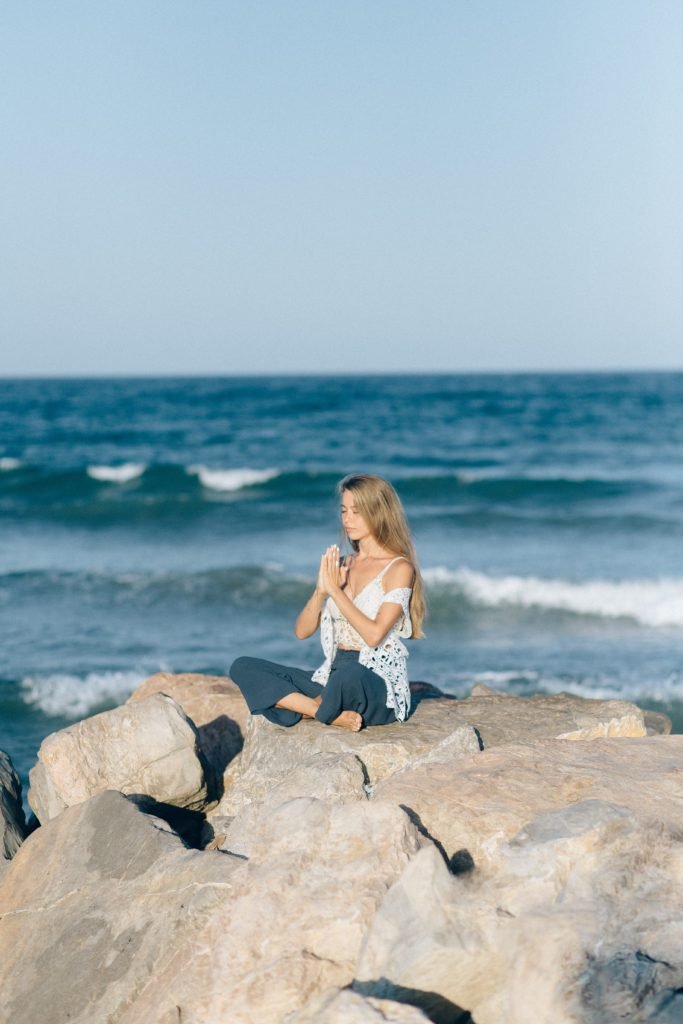
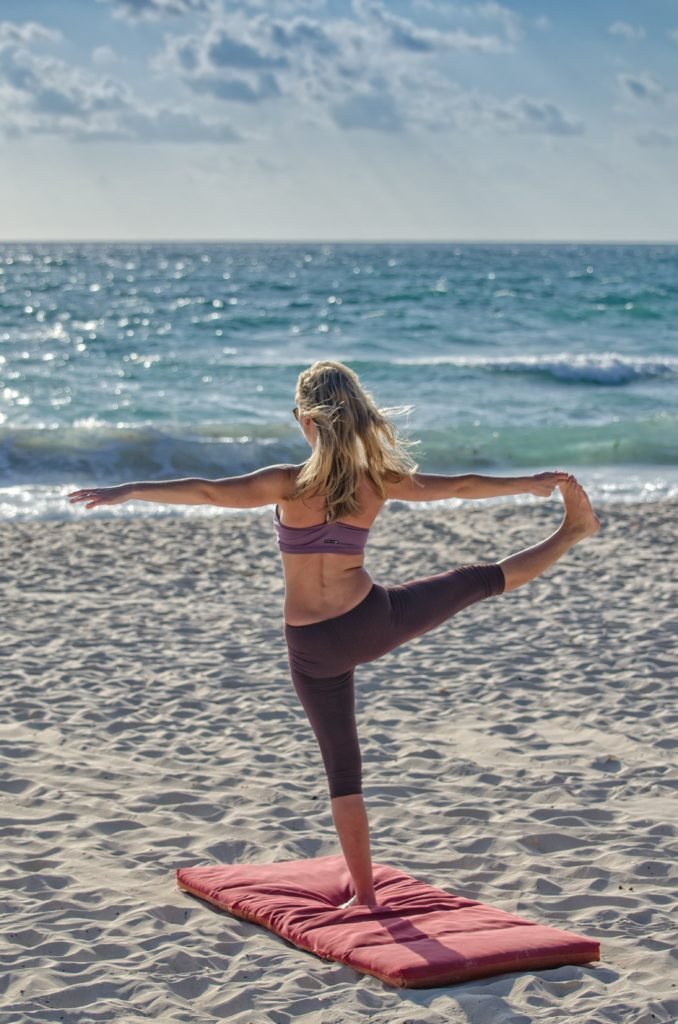
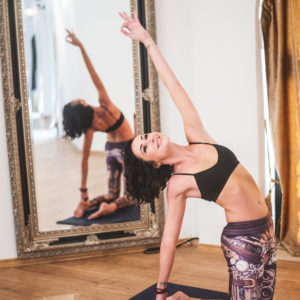
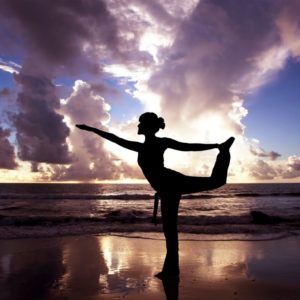
Kundalini yoga is a form of yoga that involves chanting, singing, breathing exercises, and repetitive poses.
Its purpose is to activate your Kundalini energy or shakti. This is a spiritual energy that’s said to be located at the base of your spine.
As Kundalini yoga awakens this energy, it’s supposed to enhance your awareness and help you move past your ego. Sometimes, the practice is also called “yoga of awareness.”
Although Kundalini yoga is practiced around the world, its origin is unknown. The concept of Kundalini energy has been around for centuries and was mentioned in ancient Vedic texts from 1,000 B.C.
Kundalini yoga is most associated with Yogi Bhajan, a yoga teacher from Pakistan. He’s credited with introducing the practice to Western countries in the 1960s.
The term “Kundalini” comes from the Sanskrit word “kundal,” which means “circular.” It also refers to a coiled snake. And according to practitioners, Kundalini energy is like that coiled snake: It sits at the base of your spine, sleeping and unaroused.
Kundalini yoga is practiced to activate this energy, which allows it to move up and through the chakras along your spine.
In yoga, chakras are the seven energy centers in your body. They include:
- root chakra
- sacral chakra
- naval, or solar plexus, chakra
- heart chakra
- throat chakra
- third eye chakra
- crown chakra
As Kundalini energy rises, it’s believed to help balance these chakras and contribute to your spiritual wellness.
What are the benefits?
Stress and anxiety relief
Like other forms of yoga, Kundalini yoga can help relieve stress and anxiety.
Improves cognitive function
Short- and long-term improvements in their executive functioning. This includes skills such as reasoning, problem-solving, and cognitive flexibility, among others.
Boosts self-perception
Kundalini yoga may improve body positivity and self-acceptance.
Spiritual enlightenment
It’s believed that as your Kundalini energy awakens, you become more spiritually connected with yourself and others.
The purported benefits may include the following:
- more empathy
- increased creativity
- improved charisma
- increased energy
- internal peace
Day 1, Saturday: Trogir – Milna (Island of Brač)
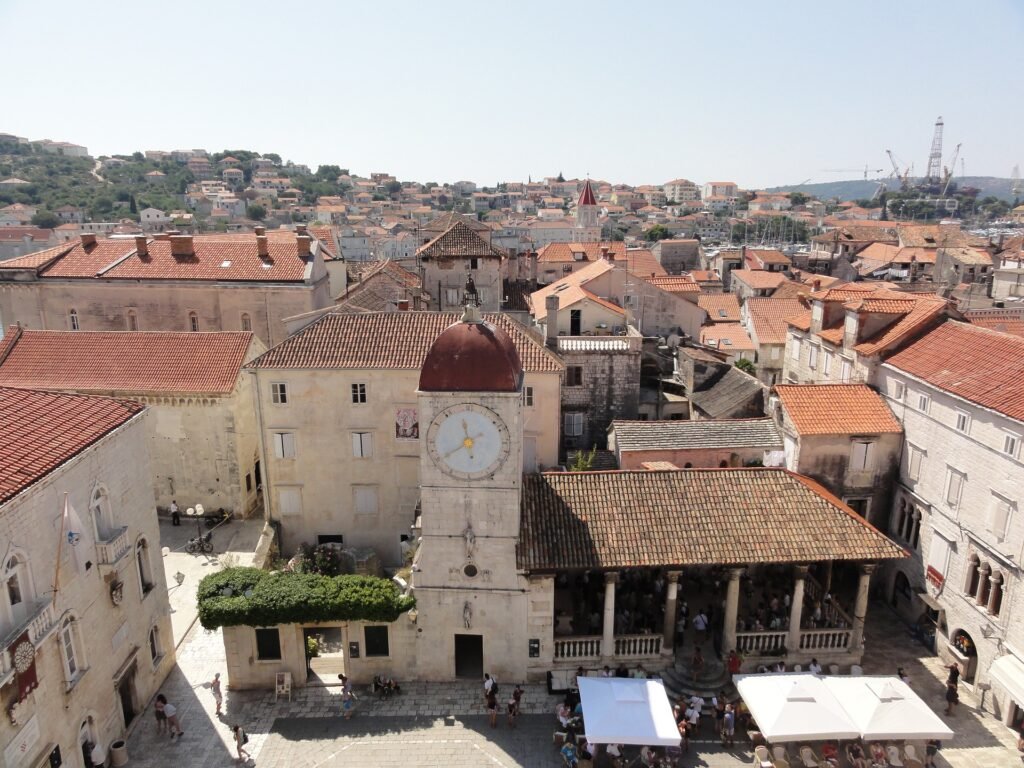
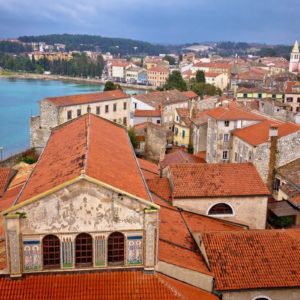
Romanesque Town Trogir
Arrival to Split airport and meeting with your chauffeur for a private transfer to the marina where you will meet your skipper and board your boat. Sightseeing.
The day will begin with the walking tour of Trogir(Tragurium) – the town museum (UNESCO World Heritage List since 1997). Trogir is a remarkable example of urban continuity. The orthogonal street plan of this island settlement dates back to the Hellenistic period and it was embellished by successive rulers with many fine public and domestic buildings and fortifications. Its beautiful Romanesque churches are complemented by the outstanding Renaissance and Baroque buildings from the Venetian period. Sigtseeing : Cathedral of St Lawrence, the Church of St Nicholas, Kamerlengo fortress, Ćipiko, Town Hall and the town gate. Return to Marina Seget Donji and board your catamaran Lagoon 52 to island Brač.
Day 2, Sunday: Milna – Brač, swimming at Uvala Tiha
Milna or as the Venetians called it “Valle di mille navi” (the bay of a thousand ships) is located on the north-west side of the island. The welcoming bays of Milna have always been favourite port to sailors sailing through the Middle Adriatic. Milna is still reputed as the most beautiful and the safest harbour of Brač. The two highly equipped marinas in Milna offer high quality service even to the most demanding sailors. Stone houses along the beautiful long coastline are small masterpieces of plebeian architecture. In the village there is aslo a beautiful Baroque church with a typically Dalmatian bell tower. The interior of the church hides impressive works of Venetian masters. For years, Milna was known for its shipbuilding and the renowned Dalmatian boat “bracera” was first made here. Today, Milna is a popular tourist centre and a favourite nautical port. Besides historical sights, its scenic beauty and irresistible charm of a typically Dalmatian “small town. Dinner in the traditional restaurant. Overnight.
Day .3, Monday: Stari grad – Hvar (Island of Hvar)
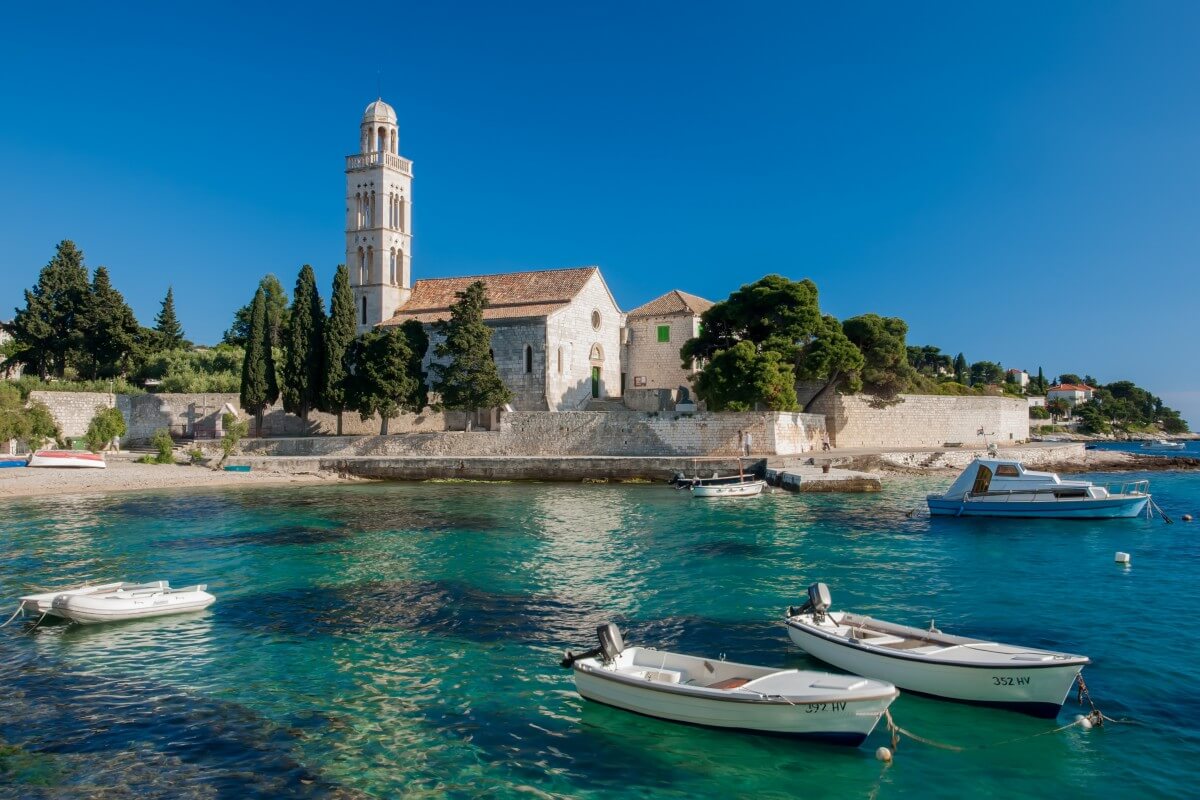
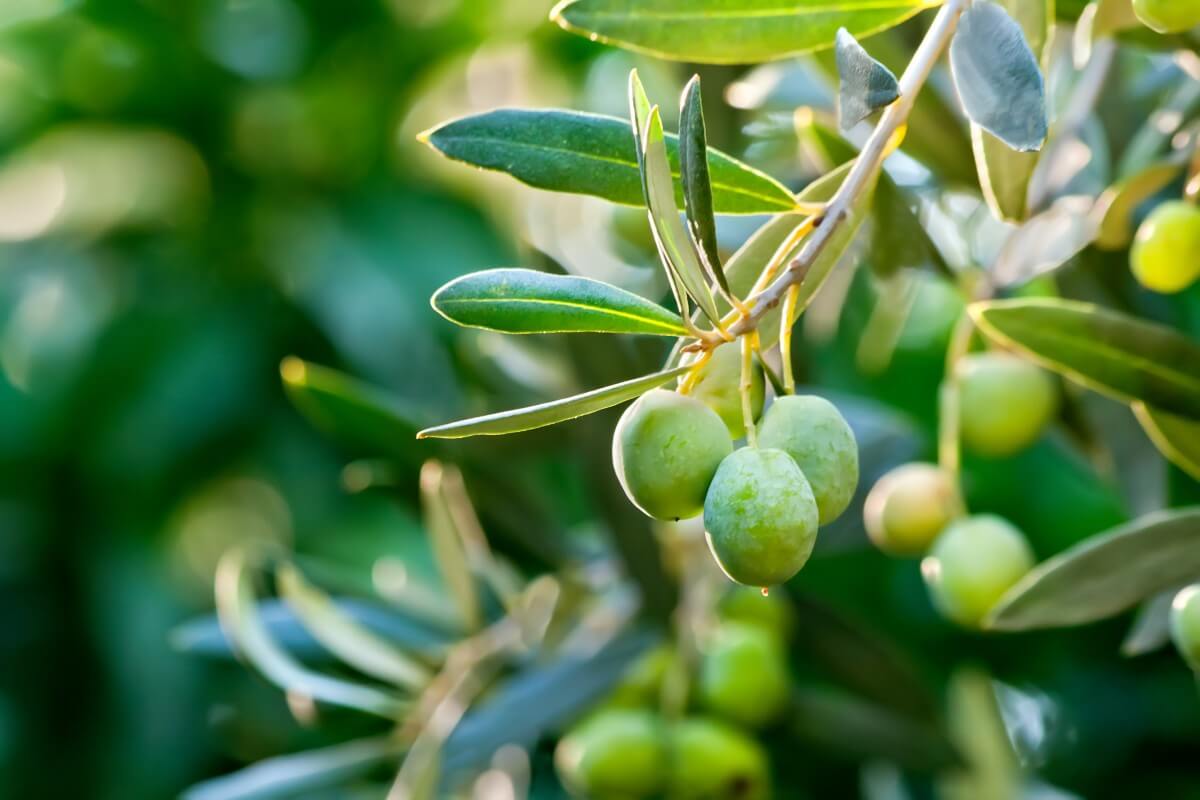
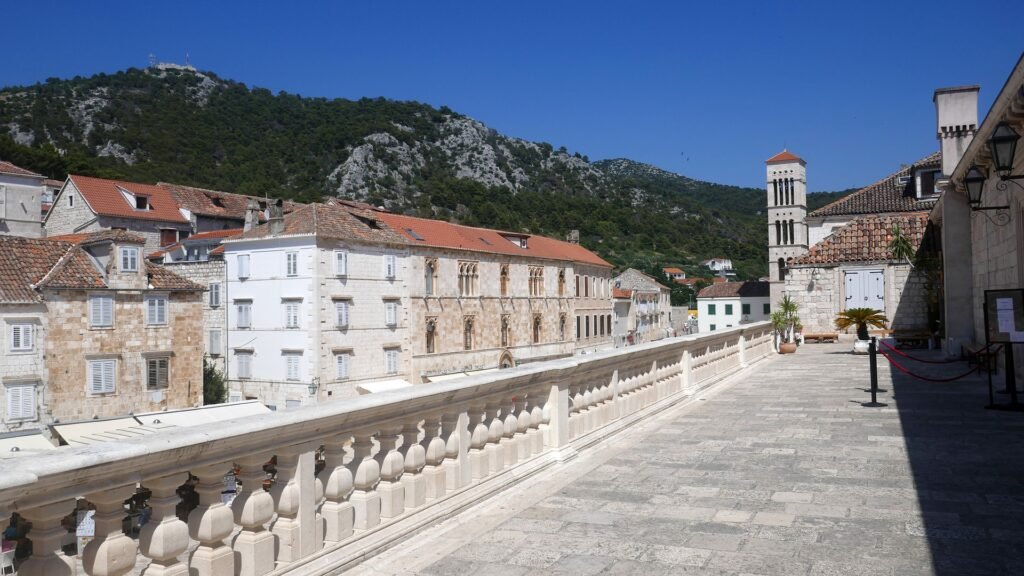
Sailing in the direction of island Hvar. Breakfast. Stari Grad on the island of Hvar. A short walking tour of Stari Grad Plain (UNESCO World Heritage List since 2009), a cultural landscape that has remained practically intact since it was first colonized by Ionian Greeks from Pharos in the 4th century BC. The original agricultural activity of this fertile plain, mainly focusing on grapes and olives, has been maintained since Greek times to the present. The landscape features ancient stone walls and trims, small stone shelters, and it testifies the ancient geometrical system of land division used by the ancient Greeks. Afterwards transfer to the town of Hvar for a brief walking visit. Stari Grad Plain on the Adriatic island of Hvar is a cultural landscape that has remained practically intact since it was first colonized by Ionian Greeks from Paros in the 4th century BC. The original agricultural activity of this fertile plain, mainly centring on grapes and olives, has been maintained since Greek times to the present. The site is also a natural reserve. The landscape features ancient stone walls and trims, or small stone shelters, and bears testimony to the ancient geometrical system of land division used by the ancient Greeks, the chora which has remained virtually intact over 24 centuries. Overnight.
Day 4, Tuesday: Hvar –Korčula
Sailing in the direction of island Korcula. Breakfast. Sightseeing of the historic town of Marco Polo. After stopping in beautiful bays for a swim, we arrive in Korcula. The island of Korcula belongs to the central Dalmatian archipelago, separated from the Peljesac peninsula by a narrow strait of Peljesac. It is the sixth largest Adriatic island and second most populated island in Croatia, with 16,180 inhabitants.
Korcula town is the main town on the island, famous for its medieval walls and a succession of narrow streets that branch off the spine of the main street like a fish bone, a shape that was used to reduce the effects of wind and sun, and provide citizens with sheltered and comfortable accommodation. The architecture in the Old Town is mainly influenced by Venetian Renaissance. A place well worth seeing also is the splendid St Mark’s Cathedral built in the Gothic-Renaissance style, completed in 15th century and Marko Polo’s alleged house of birth. Dinner in the traditional restaurant. Dinner in the traditional restaurant. Overnight.
Day 5, Wednesday: Korčula – Mljet
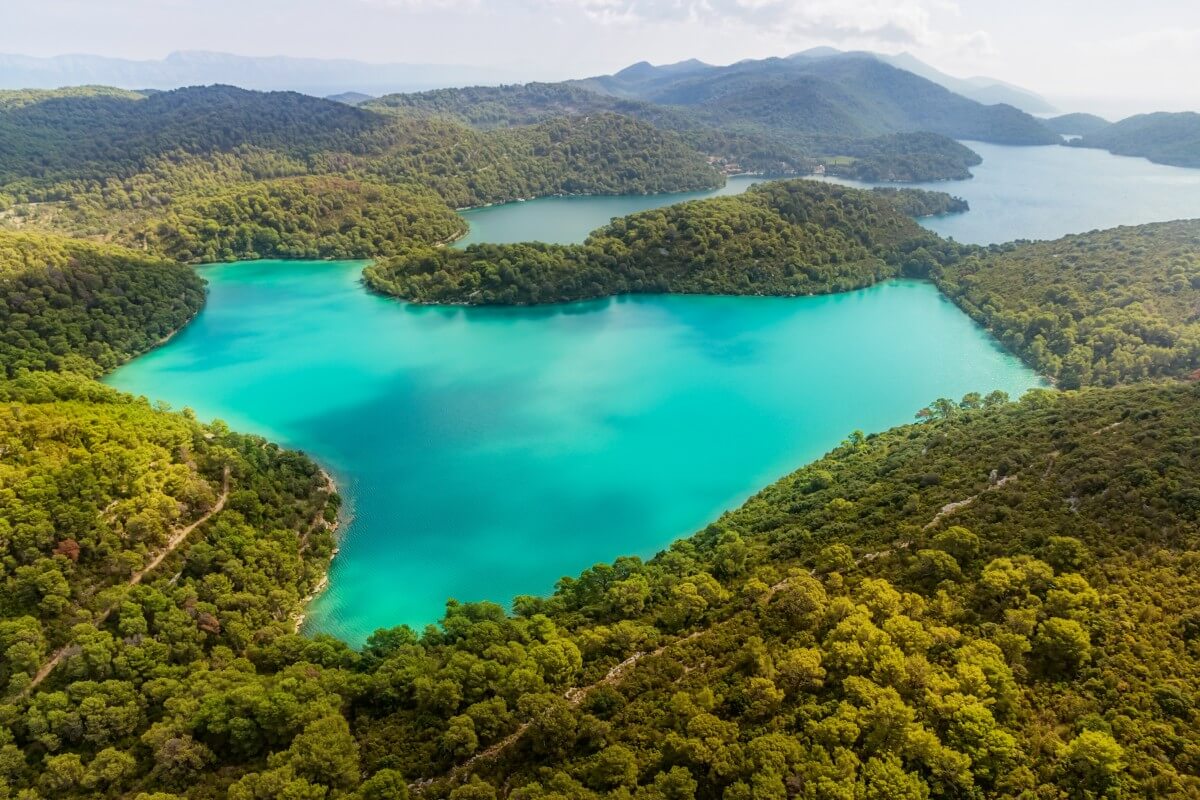
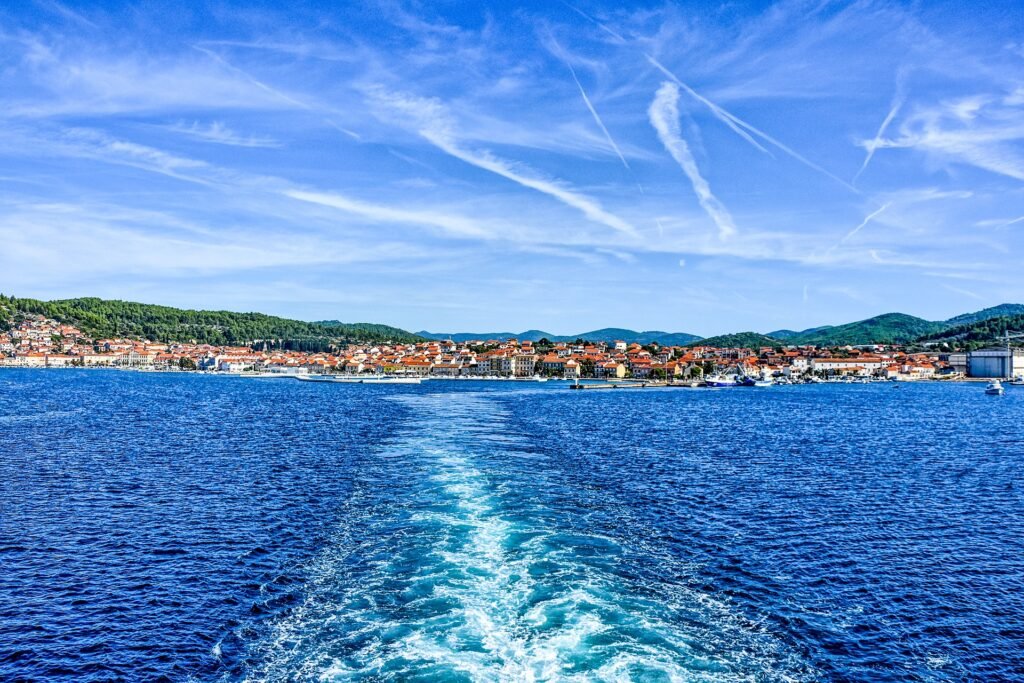
Breakfast . Departure from Korcula to island Mljet, national park with two inland lakes and miles of cycling and strolling trails. There are few residents, no large towns and only one major road that runs north-south through the pines, oak trees and macchia. Mljet is the most thickly forested island in the Adriatic. Lying off the coast of the Peljesac peninsula. Overnight.
Day 6, Thursday: Mljet – Šipan
Arrival to island Šipan, one of the Elafite Islands near Dubrovnik. The island is, like the other Elaphite islands of Kolocep and Lopud, peaceful and quiet, but do not be surprised if you spot someone famous while there. Visitors to Sipan include Princess Caroline of Monaco, Belgian King Albert II and Francesca von Habsburg. Overnight.
Day 7, Friday, Mljet – Dubrovnik
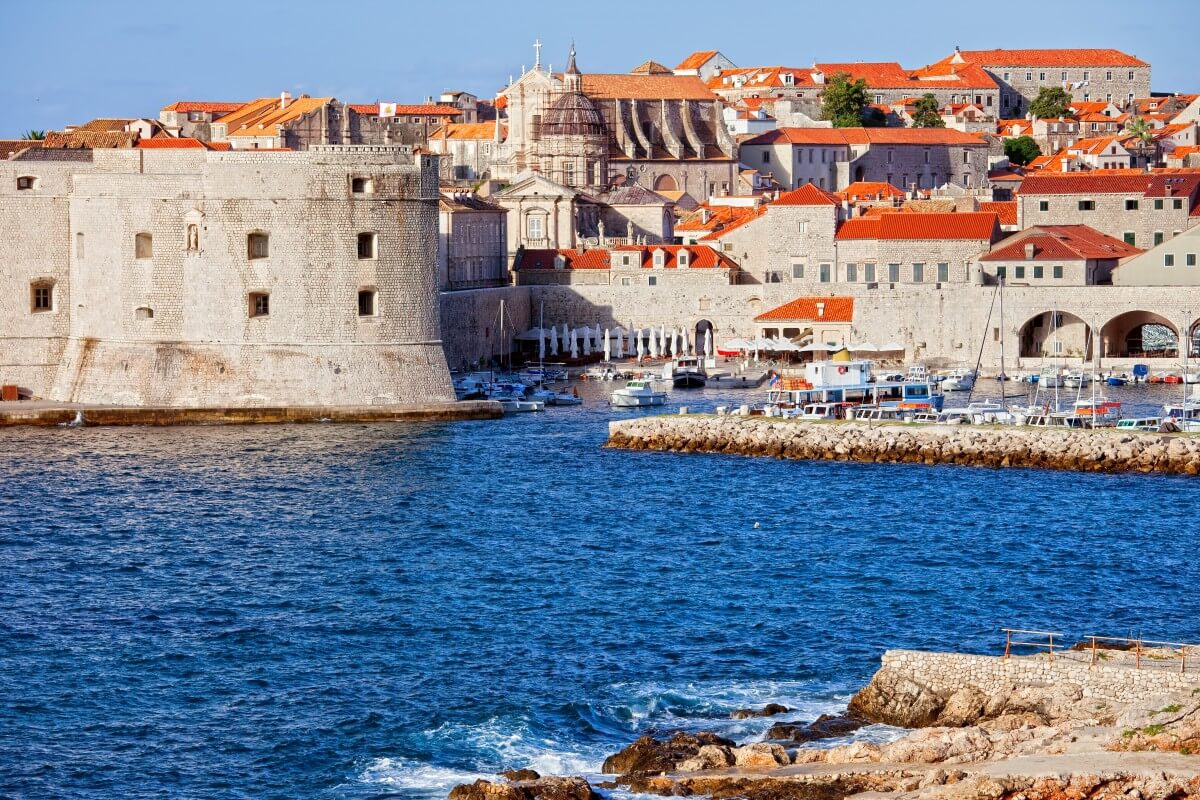
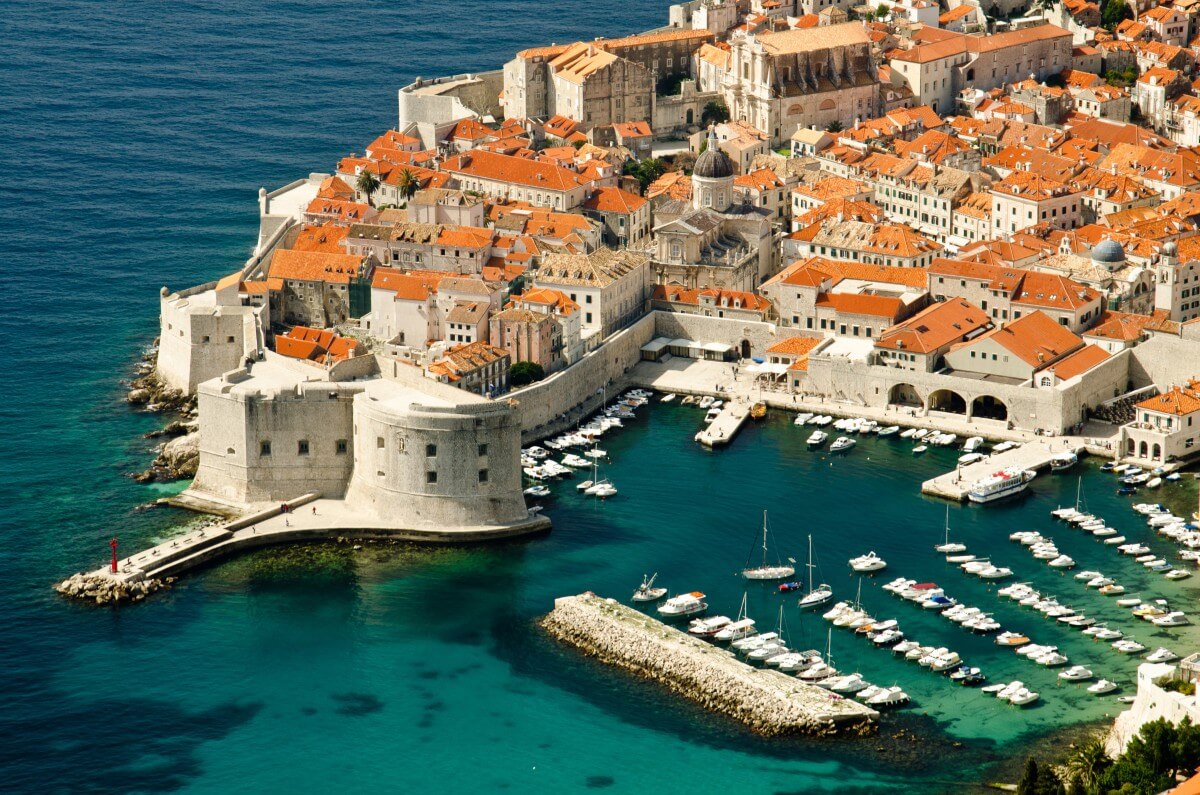
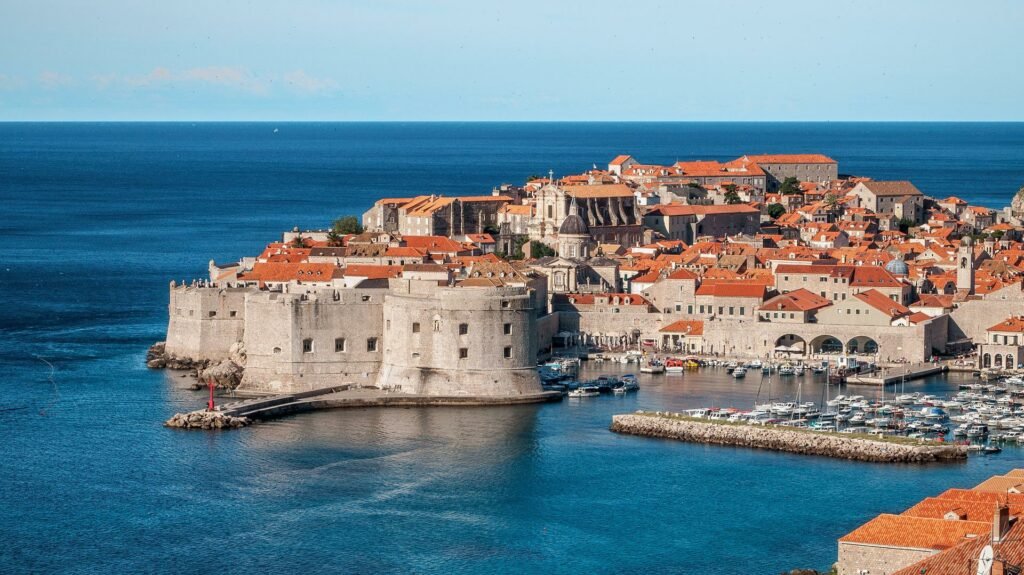
Arrival to Old City of Dubrovnik.
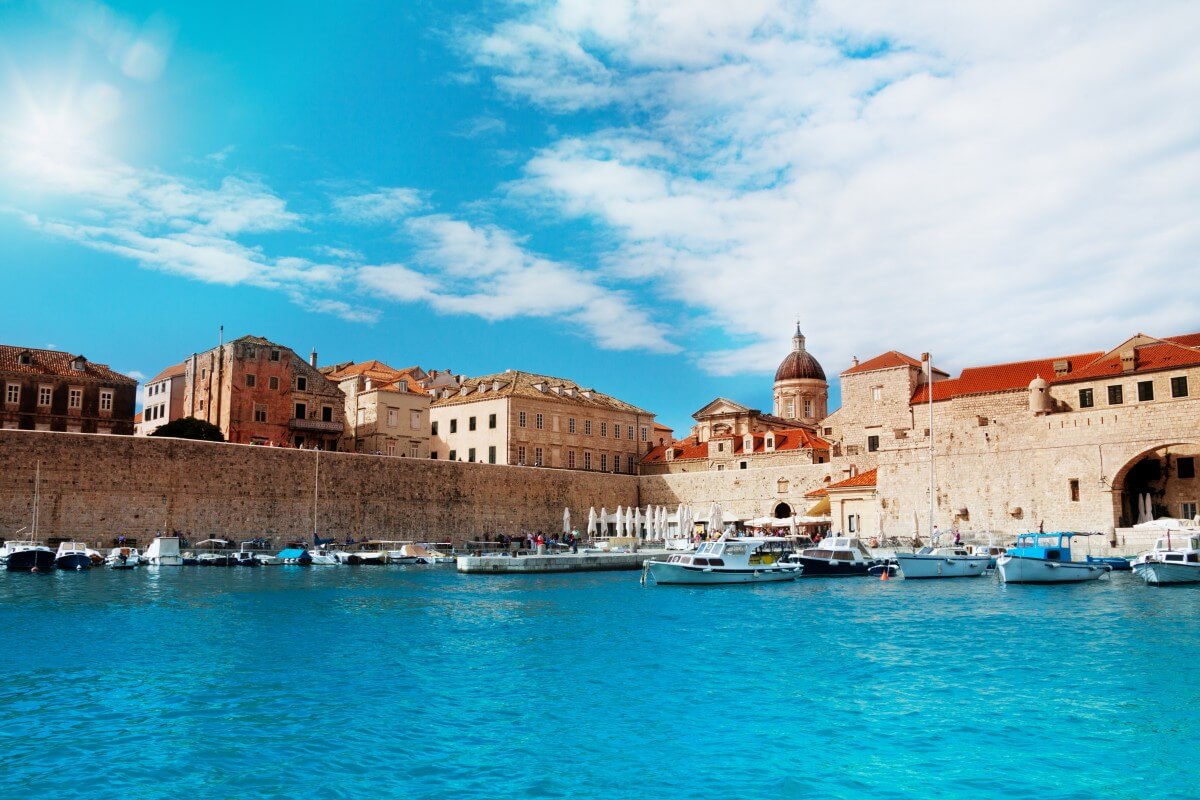
A half-day tour of the Old City – included in UNESCO World Heritage Site list (since 1979). This ancient city surrounded by ramparts and fortresses abounds in architectural and cultural masterpieces carefully preserved for centuries. A pleasant walk will take you to the Rector’s Palace, the Dominican Monastery housing a rich collection of medieval paintings, the Franciscan Monastery among other intriguing sites. After the city tour, the guests are free to continue exploring the Old City and its Walls on their own. Farewell dinner. Overnight in Dubrovnik.
Day 8. Saturday – Dubrovnik
Breakfast on board. Disembark in the morning hours and meet your chauffeur for a private transfer to Dubrovnik airport or to continue your adventure in Croatia!
Regular price: 4.800,00 €/ per person

Supplement - single cabin : 1900,00 €
Price includes:
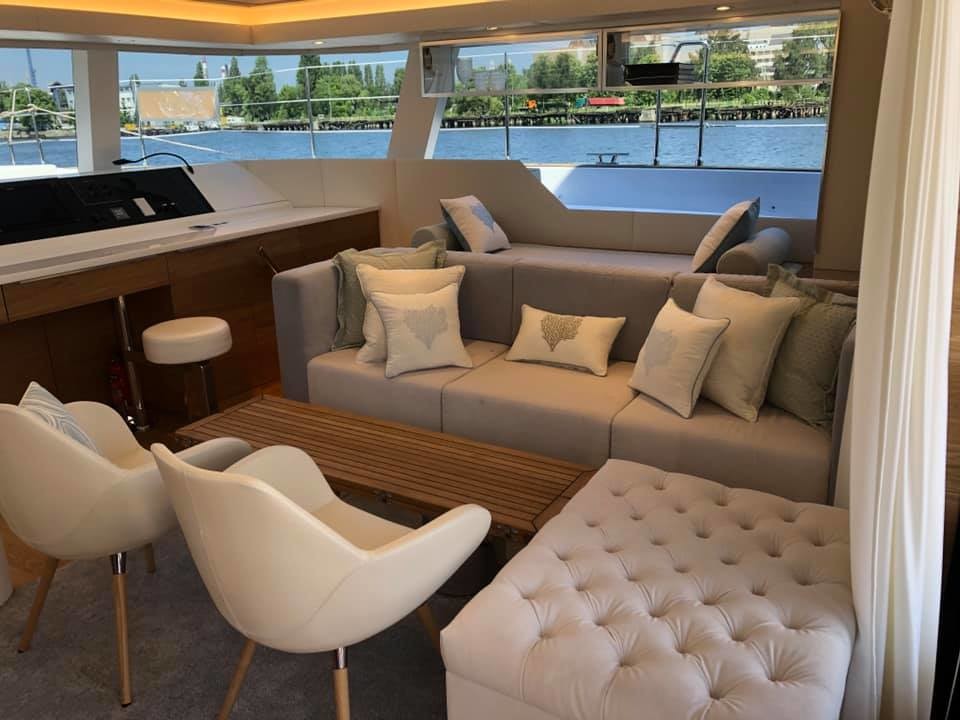
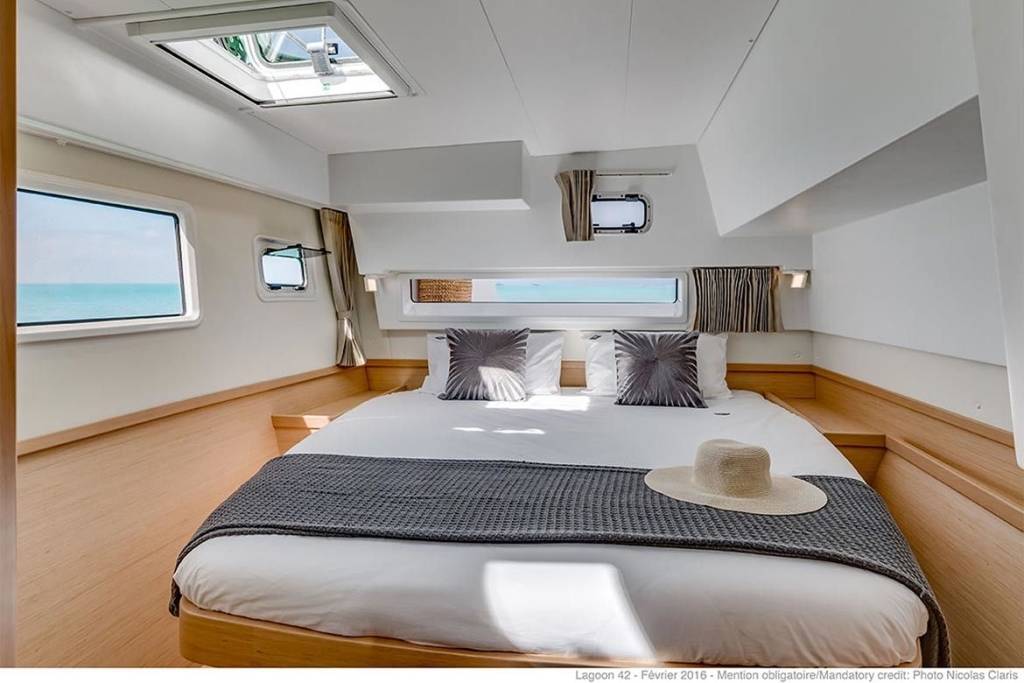
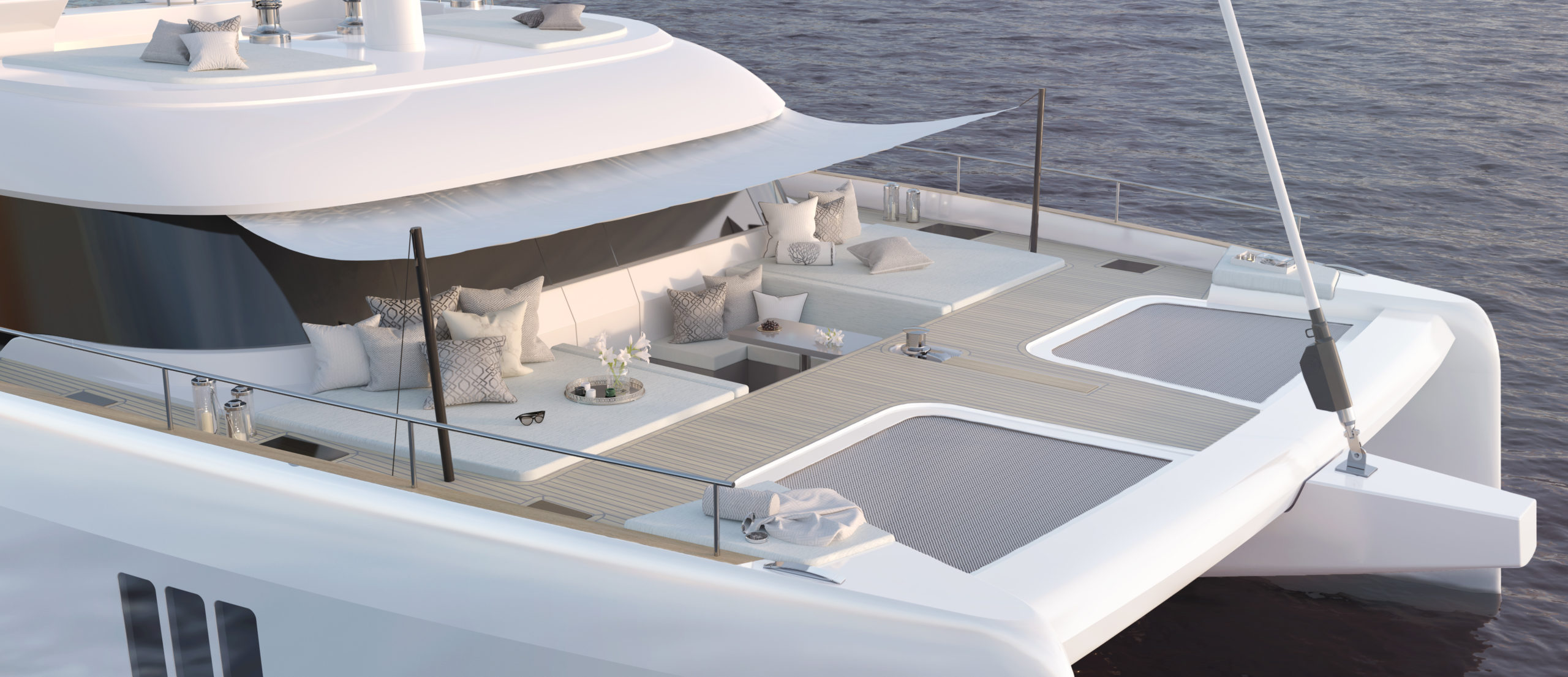
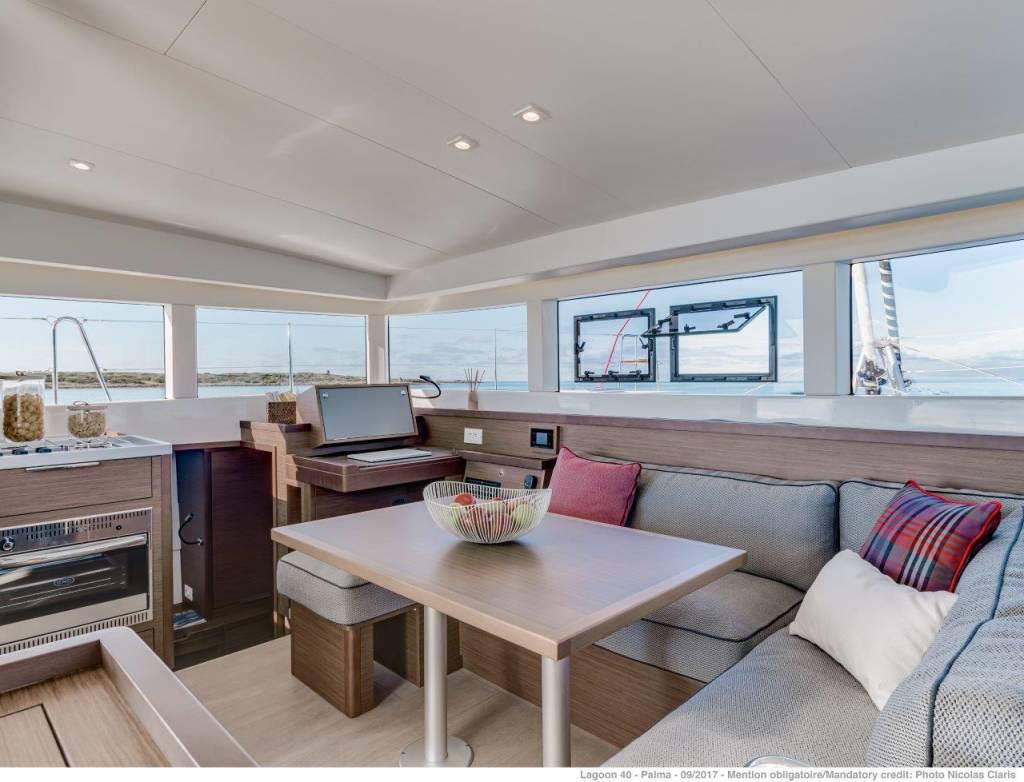
- Seven nights accommodation on board catamaran Lagoon 52 (6 cabins + 6 bathrooms)
- water
- port/marina charges
- fresh and healthy meals using delicious local products (7x breakfast, 4 x lunch on a board, 3 x dinner at a local traditional restaurants, Brac Milna – konoba Navigare, Hvar – konoba Palace Paladini, Korcula – konoba Maslina
- sightseeing UNESCO Trogir, Starigrad Hvar, Dubrovnik old town, NP Mljet, Korcula Marco Polo birth place (tickets included)
- towels and bedding on board, professional skipper, hostess on board, yacht cleaning fee, free WIFI, tourism taxes, transfer from airport Split to Marina Seget Donji and transfer from Dubrovnik port to hotel or airport Dubrovnik, professional guidance sightseeing, fuel and mooring.
Price does not include:
- flight
- alcohol, drinks and expences not mention in the program
Related products
-
- Cruises
Croatia deluxe Cruises Opatija – Dubrovnik
- 1,990.84 €10.09.2026.: 1,990.84 €
- Add to cart
-
- Sailing, Tours, Unique sailing experience
Ayurvedic Sailing Experience in Croatia 12.-19.Sep.2026. and 10.-17.October.2026.
- 3,800.00 €10.09.2026.: 3,800.00 €
- Add to cart



Reviews
There are no reviews yet.